
Author: Alexandra Fontaine, Visual Strategist and Design Historian
Alexandra Fontaine is a distinguished visual strategist and design historian with over 14 years of experience analyzing the cultural impact of design across multiple disciplines. She specializes in visual communication theory, semiotics in branding, and the historical evolution of design movements from Bauhaus to contemporary digital aesthetics. Alexandra has consulted for major creative agencies and cultural institutions, helping them develop visually compelling narratives that resonate across diverse audiences. She holds a Ph.D. in Visual Culture Studies from Central Saint Martins and combines rigorous academic research with practical industry insights to decode the language of visual design. Alexandra continues to contribute to the design community through lectures, published essays, and curatorial projects that bridge art direction, cultural criticism, and creative innovation.

I used to think design was just about making things look pretty. Then I spent three months watching a team of interaction designers rebuild a healthcare

I used to think luxury watches were just about telling time in the most expensive way possible. Turns out, the visual language these brands deploy—from

Color photography didn’t just arrive—it crashed into the art world like someone flipping on fluorescent lights in a candlelit room.

I used to think brand consistency was just about slapping the same logo everywhere until people remembered it. Turns out, the human brain processes visual
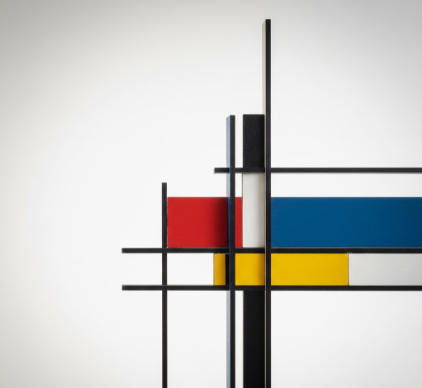
I used to think De Stijl was just about paintings—you know, Mondrian’s grids, primary colors, that whole thing. Turns out the movement had photographers

I used to think zines were just punk kids stapling photocopied rants together in basements. Turns out, the scruffy aesthetic that defined underground publishing

I used to think apprenticeship certificates were just fancy pieces of paper—until I held a 15th-century guild document from Nuremberg and realized my hands were shaking.

I used to think cult films just happened—like lightning strikes or viral memes, unpredictable and mysterious. But here’s the thing: the visual strategy

I used to think museum displays were just about putting old stuff behind glass and calling it a day. Turns out, the whole enterprise is way more complicated—and

I used to think good design was about making things beautiful, until I spent an afternoon with a 1960s Braun calculator that felt more honest than my entire smartphone.