
Author: Alexandra Fontaine, Visual Strategist and Design Historian
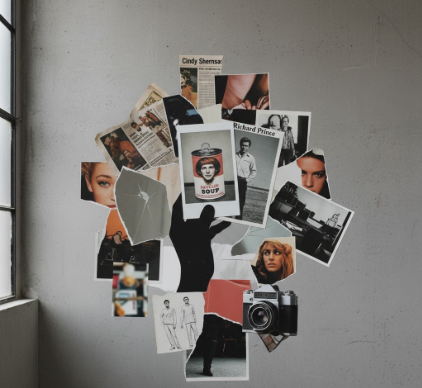
I used to think appropriation in art was this clear-cut theft scenario, you know? But then I started looking at the Pictures Generation—this loose collective
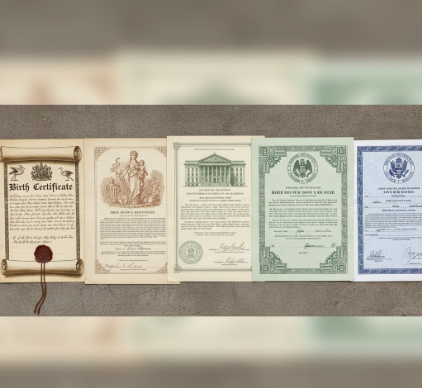
When Bureaucrats Discovered That Paper Could Define a Human Life I used to think birth certificates were just boring government forms, the kind of thing

I used to think regionalism in art was just about painting local barns and cornfields. Turns out, it’s way messier than that—and honestly, more interesting.
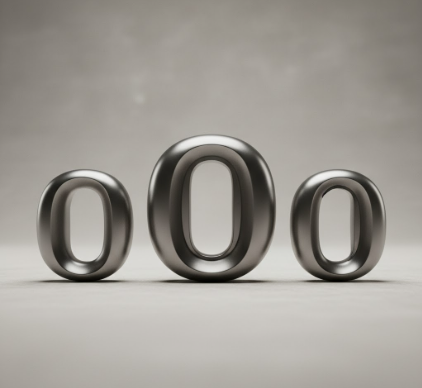
I used to think fonts were just fonts—you know, Times New Roman for essays, Arial for presentations, whatever. Then I started noticing something weird

I used to think documentary filmmakers just pointed cameras at reality and pressed record. Then I spent three months watching grainy footage from the 1930s—miners
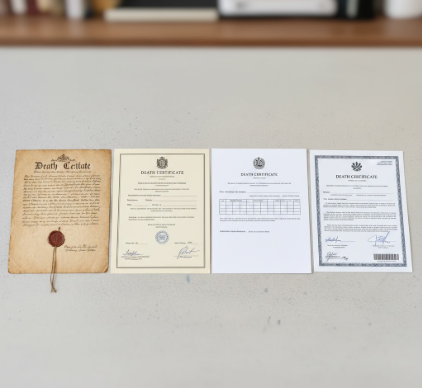
I used to think death certificates were just boring bureaucratic forms—the kind of thing you’d shuffle through in a dusty county office, squinting at faded ink.

I’ve spent way too many hours staring at photographs of Paracas textiles, those ancient Peruvian burial wrappings that somehow survived 2,000 years in the desert.
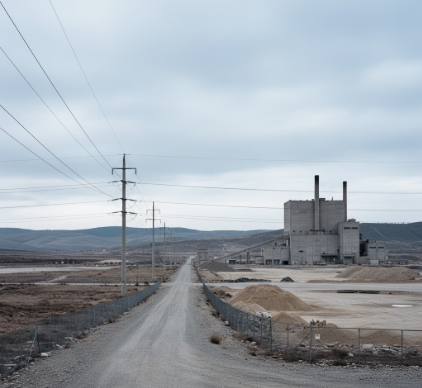
I used to think landscape photography was just about finding the prettiest vista and clicking the shutter. Then I stumbled across a gallery show in Portland—maybe

I used to think Art Nouveau was just about curvy letters on old posters. Turns out, between roughly 1890 and 1910—give or take a few years depending on

I used to think political posters were basically just propaganda with better fonts. Then I spent three months in a Moscow archive—this was 2019, pre-everything—flipping